Table of Content
In these monetary trying instances, we all try to avoid wasting on any expenses. Order 2 to 4 different house plan sets at the same time and receive a 10% discount off the retail price (before S & H). The two-floor "Tradition" house plan has many characteristics of Cape Cod architecture and also bears similarities to Colonial homes from the American South.
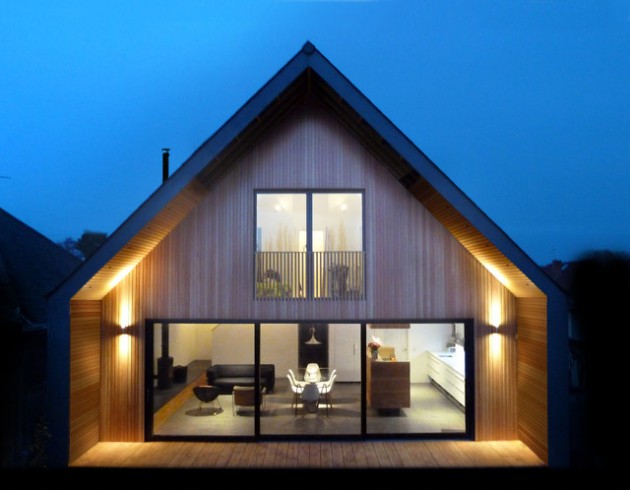
With no stairs to a second floor, a ranch home—new or old—can be an ideal choice for homeowners who want to age in place. You know you’re in a neighborhood that was built in the 1950s or ’60s when you see split-level houses. A unique design from that period, split-levels cleverly created the illusion of space while conserving square footage by tucking the garage under what is usually the bedroom area. One downside of split-levels is that fumes from the garage could seep in to the other rooms of the house. Efficiently arranged storage space, generous window areas, and the central hallway make housekeeping a joy. Both bedrooms are light and airy and are set off for privacy and quiet.
Characteristics That Describe This Ranch Style
The flat roof with vertical siding and brick creates a contrasting exterior that is streamlined and neat in appearance. Inside, the limitations of traditional room partitions are eliminated. The fireplace, with its wide expanse of brick, adds distinction to the living room.
Some would call this a two-story house, because of the second-floor bedroom area. However, the designers call this a "one-and-a-half story home." Why? When second-floor interior rooms are box-like, an attic creates the square shape. When second-floor ceilings take the sloped shape of the roof, the story is often considered "half." The slant of the roof becomes part of the upstairs ceilings. The ceiling height for both the first and second floors is 7 1/2 feet.
Why Is This a Ranch Style?
Second level contains a living room with corner fireplace and a large kitchen-dining room combination. The brick veneer exterior is attractive and practically mainteance-free. Two large bedrooms, plent, of closet space and another full bath is included m the second floor plan.
But it also looks a bit like the 1940s minimal traditional plans. Perhaps it is this mix of styles that makes this house design Grandette. The idea of a "den" living area, with "full bookshelves at either side of the natural fireplace," understated prosperity.
Tranquility, a Home With a Wall of Windows
The name of this house plan, "Hearth," describes what is being sold—warmth, family, and tradition. Of course, the Cape Cod homes of the 1950s were not replicas of historic Cape Cods. Builders borrowed features of the Colonial style and added mid-twentieth century modernizations. In this gallery, you'll find a sampling of 1950s-era Cape Cods sold in communities across North America. This plan is one of the few in this architectural series of postwar houses that has a kitchen and dining alcove in the front of the house. Along with the unusual roof, this house may have appealed to people who wanted something a little different—but something still basically the same as every other house in the development.
Now that you have everything in place, determine on the kind of floor your need. The type of trimmings will after all depend on what you are going to use the shed for. What are the possibilities of the root system damaging your wall's basis. Be sure you're taking time and put in the money to touch it up. If a good builder undertakes your undertaking, stripy tights and dark delights this may free up a lot of your time and may prevent fairly a few gray hairs.
Designers included an elevated roof section, disappearing attic stairs, and the possibility that "attic rooms can be charming at a small expense." A favored housing type of the 1950s was one that originated in Colonial New England. Developers seized on the historic Cape Cod house style and promoted it as an all-American ideal.
Built-in oven, counter-top range, dishwasher and garbage disposer by Frigidaire, washer-dryer by General Electric. Cabinets are made of metal for strength with birch doors for added beauty. Kitchens must be pleasant as well as efficient, in view of the hours the average housewife spends there — and the view is fine. Homes shown in these pages have been tested in actual construction, and have proved their popularity with the home-building and home-buying public. Livability and construction economy are the two basic qualities demonstrated in every home shown here.
Never before have you had such opportunity to select the home plan that is exactly suited to your family’s needs and desires, your family’s mode of living. The curved window wall on the facade of this 902-square foot ranch house is clearly visible by looking at the floor plan. Note also the size of the garage at 264 square feet, which is nearly a third the size of the house. At 1,112 square feet of living space, Tranquility is a bit larger than other ranch plans in this series of small houses.

On the second floor, this height must be at the roof peak, which is the highest point of a very steeply pitched roof. This home design is not only a modern ranch, but it is also a flexibly-designed ranch. Alternate plans let the homeowner select the placement of the bathroom and utility room. The dining room could easily be converted into another bedroom, den, or home office.
This multi-level home was designed to make life more enjoyable and comfortable. Casual living is a high point of the lower level plan with a huge recreation room opening out onto a large terrace. Featuring two bedrooms, a den which may be used as a third bedroom, step-saver kitchen, dining area and living room, this home has been planned for real living comfort. Gable roof design, vertical siding and brick have all been blended to provide the utmost in exterior beauty and smart appearance. Here is another contemporary home that will appeal to young moderns.


